
Best Leaf Blowers
A leaf blower clears leaves, grass clippings and debris from lawns, patios and driveways. The decisions that matter are air volume and speed, the noise rating the maker lists, and how long a battery lasts. This guide is for homeowners choosing a first blower or replacing a gas model.
Jump to section
What we look for
Air volume and speed
air volume moves piles, and air speed lifts stuck or wet leaves.
Noise
loud blowers affect your hearing and your neighbors.
Runtime
battery runtime sets how much you can clear before you stop to charge.
Weight and balance
you carry the blower for the whole job.
Handheld or backpack
handheld blowers are lighter and simpler, while backpacks suit long jobs.
Vacuum and mulch option
a vacuum mode turns the blower into a way to shred and collect leaves.
How to choose the right leaf blower
Blowers split mostly on fuel type. Our guide gas vs battery leaf blowers covers emissions, noise and California's rule in one place, and battery vs gas lawn mower covers the same decision for mowers.
Air volume and speed
Air volume is listed in cubic feet per minute (CFM) and air speed in miles per hour (MPH). CFM moves a large volume of leaves, while MPH lifts wet or stuck debris. Compare both columns rather than chasing one number. Both are maker-stated, so use them to compare models, not as a promise for your yard.
Noise
NIOSH's recommended exposure limit is 85 dBA over an 8-hour shift, and noise above 85 dBA is considered hazardous (NIOSH). Use the maker's dB rating in the Noise column to compare models, and wear hearing protection when you work. Local rules may also limit use, so check your town's ordinance.
Runtime
Runtime is a maker-stated figure for battery models. Check which power setting the maker used for it, and compare the Runtime column across picks. If you have a large yard, read the listing to see whether a second battery is supported, or whether the blower shares a platform with your other tools.
Weight and balance
Check the Weight column and how the weight sits in your hand. You carry the blower for the whole job, so a comfortable handle can matter as much as the number on the scale. Read the Type column too, since a backpack model carries its weight on your shoulders and back instead of your arm.
Handheld or backpack
A handheld blower suits small yards, patios and quick jobs. A backpack blower is built for larger properties and longer sessions. Check the Type column and think about how long you work at a stretch, and how heavy a unit you can carry for that long.
Vacuum and mulch option
Some blowers convert to a vacuum that shreds leaves into smaller pieces. If you want to compost or bag leaves, check the Vacuum mode column and what accessories are included.
Tips for using your leaf blower
- Wear hearing protection. If you have to raise your voice to be heard at arm's length, the noise is likely hazardous (NIOSH).
- Use the maker's dB rating from the listing to compare models. Do not rely on a general claim that one fuel type is quieter.
- Pick a battery platform you can share with your string trimmer and mower.
- In California, check the rules before buying a new gas model; see gas vs battery leaf blowers.
FAQ
How polluting is a gas leaf blower?
CARB estimates that an hour of commercial leaf blower use produces smog-forming pollution comparable to driving a new light-duty car about 1,100 miles (CARB). That is a commercial-use estimate, not a figure for a short home job.
Are gas leaf blowers banned in California?
There is no ban on using or selling what already exists. CARB's rule makes most new small off-road engines, from model year 2024, zero-emission, but older and used equipment can still be used (CARB).
How loud is too loud?
NIOSH recommends staying under 85 dBA across an 8-hour shift, and calls noise above that level hazardous (NIOSH). Compare the maker's dB rating and wear hearing protection.
Which matters more, CFM or MPH?
They measure different things. CFM is the volume of air, which moves piles of leaves, and MPH is the speed, which helps lift wet or stuck leaves. Compare both for each model.
Do I need hearing protection for a leaf blower?
NIOSH says needing to raise your voice at arm's length suggests hazardous noise levels (NIOSH). Use the maker's dB rating as a guide, and wear hearing protection when you work.
Does a blower with a vacuum mode do the same job?
A vacuum or mulch mode collects leaves instead of moving them. Check the Vacuum mode column, and read the manual to see what accessories come with each model. Our guide to gas vs battery leaf blowers covers the fuel choice.
Related
-

Buying guide
Best String Trimmers (Weed Eaters)
Power source, swath, line size and weight, side by side.
-

Guide
Gas vs Battery Leaf Blowers: Emissions, Noise and California's Rules
CARB emissions facts, California's 2024 rule, noise limits and what to check.
-
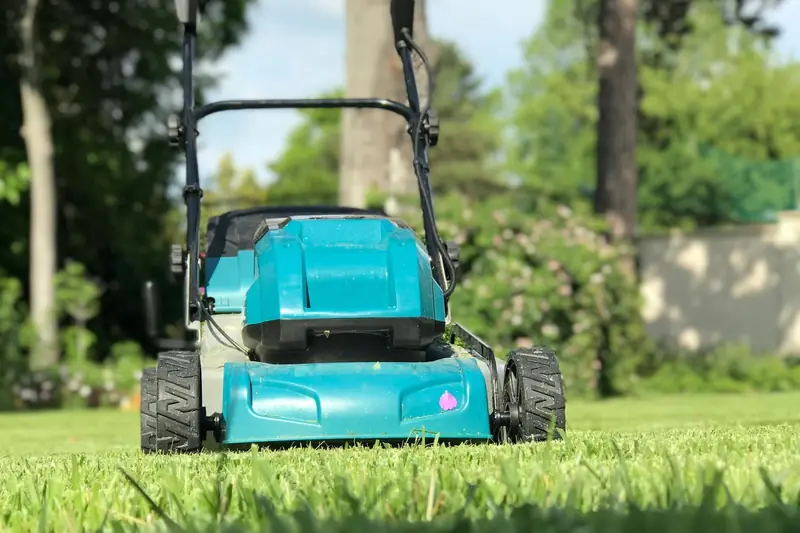
Buying guide
Best Battery-Powered Lawn Mowers
Deck width, battery size, drive type and cutting modes, side by side.
-
-


Get the Spring Lawn Startup Checklist
A printable checklist covering mower height, safety gear, spreader calibration, sprinkler output and raised-bed soil tests. Free, and sized for the garage wall.